About KernelRun

Built by infrastructure engineers who got tired of watching staging environments cost more than production services.

Why We Built KernelRun

In 2022, David Okonkwo was the lead infrastructure engineer at a mid-sized SaaS company. The company had $2.4M in annualized AWS spend — and no clear picture of where most of it was going. After a billing surprise in Q3 that exceeded budget by 31%, he spent six weeks manually auditing CloudWatch metrics, Cost Explorer data, and EC2 instance utilization across 14 accounts.

The conclusion: 38% of the compute bill was tied to non-production environments running continuously, instances sized for 2021 traffic levels that hadn't been reviewed since, and a handful of forgotten ElastiCache clusters from a deprecated feature. The fix was not complicated. Finding it was.

KernelRun started as an internal script to automate that audit. By early 2023, it was scheduling environments and generating right-sizing proposals for the entire engineering org. David left to build it into a product. The first external customer connected in April 2023.
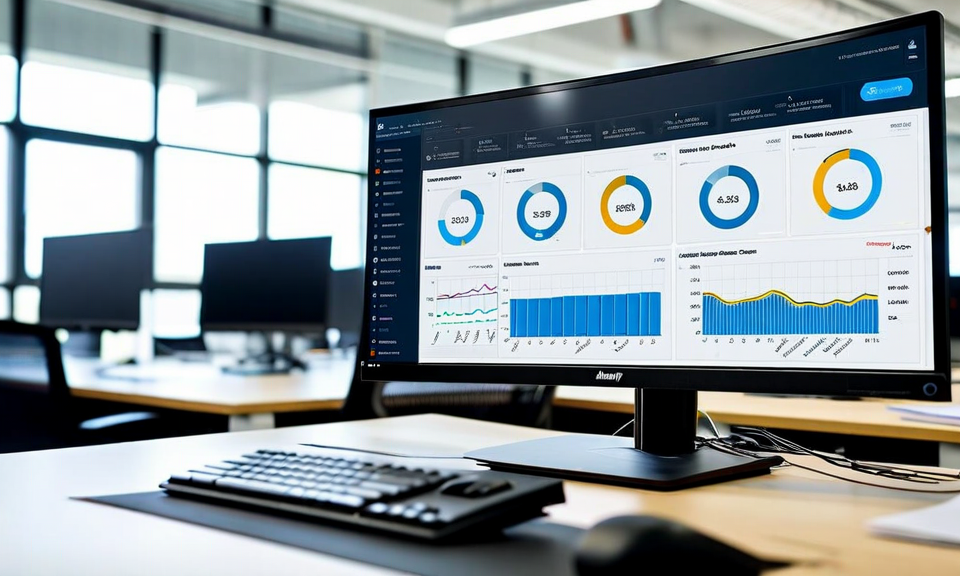
Engineering workspace

What teams achieve

41%

Series B SaaS company — AWS compute reduction

A 60-person engineering team running 9 AWS accounts had 14 non-production environments active around the clock. KernelRun identified 11 that were only used during business hours. After scheduling them down overnight and on weekends, monthly EC2 spend dropped by $18,400.

$6,200

Per-month RDS savings — B2B data analytics platform

Three RDS clusters were sized for a batch workload that ran weekly. The remaining 6.7 days per week, they idled at under 4% CPU. KernelRun proposed downscaling from db.r5.4xlarge to db.r5.xlarge during non-batch windows. The platform team reviewed, modified the schedule buffer, and approved within 48 hours.

3 hrs

Time to first proposal — developer tools startup

A 12-person startup connected two AWS accounts during an evaluation. KernelRun identified 7 over-provisioned EC2 instances and 3 ElastiCache clusters with zero cache hits in the past 30 days. The founder reviewed the proposals in the same afternoon. Approval took a Slack message.

What we believe about cloud cost work

Evidence before action

Every proposal KernelRun generates includes the raw utilization data behind it. We do not ask engineering teams to trust the algorithm — we show them exactly what the algorithm saw and let them decide. Proposals your team cannot interrogate are proposals your team will not approve.

Engineers own the decision

KernelRun does not execute schedules automatically. Every action requires explicit approval from a person on your team. This is not a limitation — it is the design. Finance can see the proposals. Engineering controls whether they run.

Narrow scope, done well

KernelRun does one thing: find cloud spend you do not need and make it easy to stop. It does not monitor application performance, manage deployments, or touch your data plane. The tools that try to do everything tend to do the important things poorly.

Reversibility as a requirement

Every schedule KernelRun executes is reversible within 24 hours. Before stopping an instance, KernelRun captures a state snapshot. If something behaves unexpectedly after a schedule activates, restore takes one click and 90 seconds.

By the numbers

2023 Year founded, Palo Alto CA
47 Engineering teams connected as of Q1 2025
$4.1M Annualized cloud savings across all customers
3 Full-time team members

Work with a team that has done this audit before

Connect your first account and see what the analysis surfaces — no obligation to run any schedules.

Get in Touch